American University of Beirut · Department of Chemistry
Mazen Al-Ghoul
Professor of Chemistry working at the intersection of reaction-diffusion systems, materials synthesis, nonequilibrium thermodynamics, and computational physical chemistry.
My research follows how chemical systems organize themselves: bands, waves, fronts, spirals, fractal crystals, and structured materials emerging from transport, precipitation, and nonlinear dynamics.
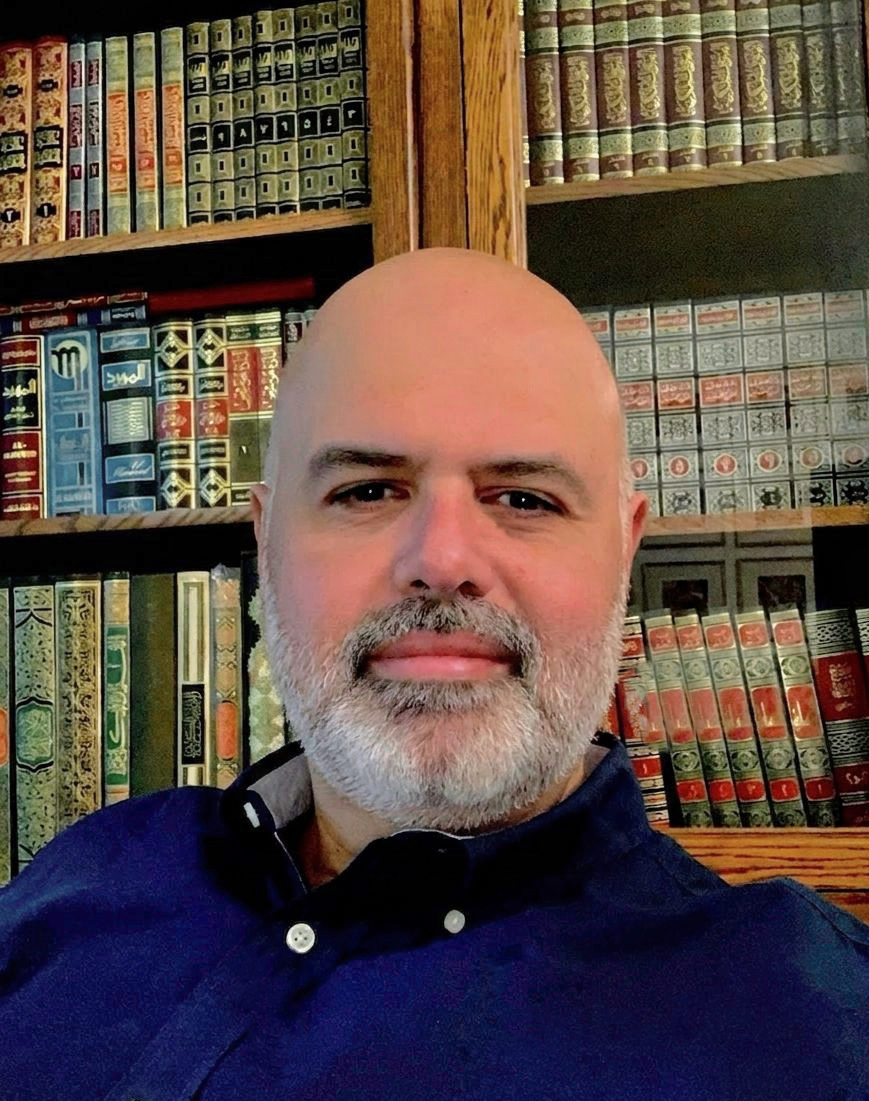
Mazen Al-Ghoul
Department of Chemistry
Beirut, Lebanon
Biography
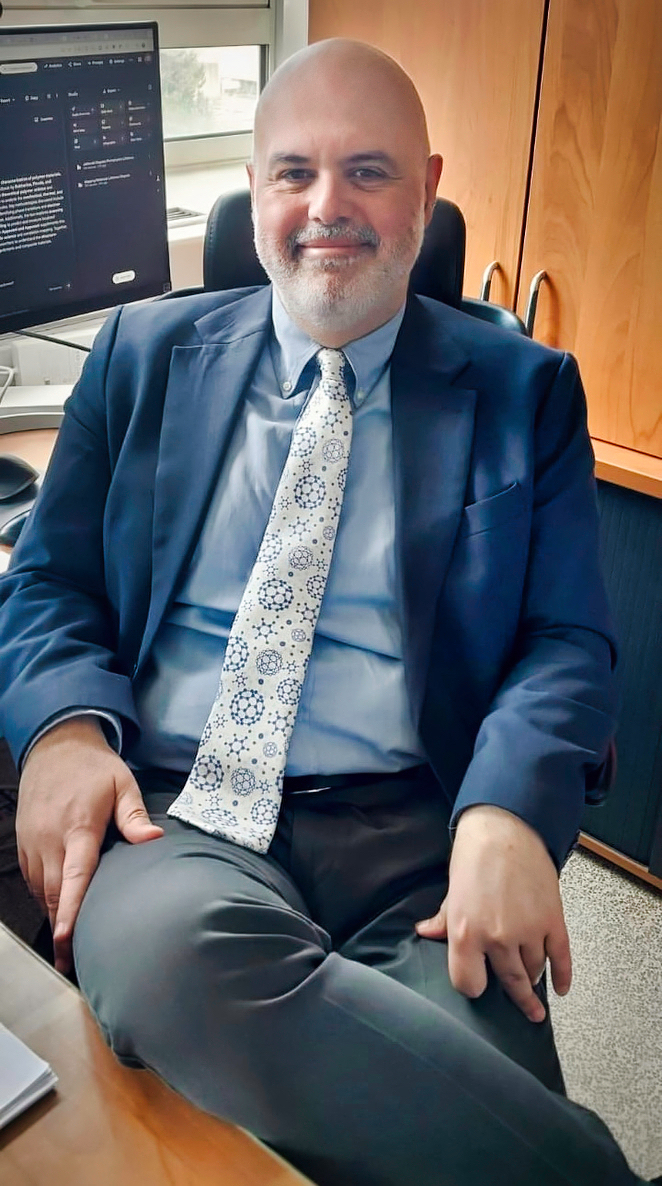
Dr. Mazen Al-Ghoul is a tenured Professor of Chemistry at the American University of Beirut, specializing in physical chemistry, reaction-diffusion systems, irreversible thermodynamics, and computational modeling of complex chemical media.
His work connects theory, simulation, and experiment to understand how transport, precipitation, wave propagation, and nonlinear kinetics generate organized chemical patterns. His research program includes refereed papers, two books with World Scientific, an edited proceedings volume, and a book chapter on precipitation patterns in reaction-diffusion systems.
Education
-
Postdoctoral Research Stanford University, Department of Chemistry (1997-1998).
-
Ph.D. in Physical Chemistry McGill University, Montreal, Canada (1993-1997). Dissertation: "Studies in Generalized Hydrodynamics for Chemical Reactions and Shock Waves." Supervisor: Professor Byung Chan Eu.
-
B.Sc. in Chemistry American University of Beirut, Beirut, Lebanon (1989-1992).
Professional Appointments
- Professor (Tenured), Department of Chemistry, American University of Beirut (2010-Present).
- Associate Professor, Department of Chemistry, American University of Beirut (2004-2010).
- Assistant Professor, Department of Chemistry, American University of Beirut (1998-2004).
- Fellow, Center for Advanced Mathematical Sciences, AUB (2008-2011); Associate Member (1998-2004).
Recent Visiting Appointments
- Visiting Professor, INRS Centre Energie, Materiaux et Telecommunications, Universite du Quebec (May-August 2023).
- Visiting Professor, Department of Chemistry and Biochemistry, Concordia University (July 2022-May 2023).
- Visiting Professor, Department of Chemistry, McGill University (July 2019-August 2020).
Leadership
Chair, Department of Chemistry (2005-2013); Director, Graduate Program in Computational Science (2011-2017); Chair, High-Performance Computing Committee (2011-2017).
Awards
FRQ Award (2023), Arab Fund Distinguished Scholar Award (2019), Hungarian State Fellowship (2015-2016), and ICI Award for Excellence in Physical Chemistry Research (1997).
Scholarship
Author/co-author of two thermodynamics books, one book chapter, an edited proceedings volume, and refereed research papers.
Mentorship
Advisor and co-advisor to graduate and undergraduate researchers across chemistry, computational science, and chemical engineering.
Research Interests & Publications
Research Program
The group develops reaction-diffusion frameworks for pattern formation, crystal growth, materials synthesis, and nonequilibrium chemical dynamics. The work combines laboratory experiments, mathematical modeling, and numerical simulation to control morphology, size, phase transitions, and transport-driven self-organization in chemical and materials systems.
Reaction-Diffusion and Liesegang Systems
Wave propagation, precipitation fronts, scaling laws, phase transitions, chemical bands, spots, ripples, spirals, and geochemical self-organization.
Numerical Modeling and Nonequilibrium Theory
Generalized hydrodynamics, irreversible thermodynamics, finite-volume and finite-element simulations, hyperbolic reaction-diffusion equations, and nonlinear evolution models.
Materials and Crystal Engineering
MOF-199, ZIF-8/ZIF-67, multivariate MOFs, lanthanide hydroxides, layered double hydroxides, iron oxides, and reaction-diffusion-mediated fractal morphogenesis.
Environmental and Functional Applications
Adsorption, photocatalytic dye degradation, arsenic removal, water treatment materials, and DFT-supported interpretation of functional nanostructures.
Recent Publications from the CV
Transformation Cascades in Iron Oxides: Quantitative Resolution of Sequential Precipitation Using the Reaction-Diffusion Framework.
N. Abi Aad and M. Al-Ghoul*, ACS Omega, 11(6), 10320-10334 (2026).
Fractal MOF architectures: reaction-diffusion-mediated transmutation of crystalline scaffolds.
S. Moon and M. Al-Ghoul*, CrystEngComm, 27, 7282-7286 (2025).
Tunable Fractal Morphogenesis in Reaction-Diffusion Crystallization: From Dendrites to Compact Aggregates.
S. Moon and M. Al-Ghoul*, ACS Omega, 10, 38629-38639 (2025).
Chiral resolution of copper aspartate under reaction-diffusion: synergy of experiment and simulation.
P. Y. Fong, S. Khan, H. M. Titi, M. Ammar, F. Vetrone, M. Al-Ghoul* and L. A. Cuccia*, CrystEngComm, 27, 4744-4755 (2025).
Combined Experimental and DFT Study on the Adsorption of Congo Red Dye using Self-Assembled Hierarchical Microspheres of Lanthanum Hydroxide.
A. Jonderian, M. Ammar, H. El-Rassy* and M. Al-Ghoul*, Colloids and Surfaces A, 681, 132728 (2024).
Funded Research Themes
Layered Nanomaterials
Qatar Foundation project on predictive design of layered nanomaterials with P. Coveney and M. Khader (USD 1,000,000; 2010-2013).
Nanostructure Synthesis
Lebanese National Research Council support for lanthanum hydroxide nano- and micro-structures and cadmium sulfide quantum-dot wave propagation.
MOFs and Reaction-Diffusion
AUB URB projects on multivariate MOFs, MOF-199, ZIF-8 crystals, nucleation, growth, and reaction-diffusion modeling.
Gallery
A visual collection inspired by reaction-diffusion patterns, cobalt hydroxide, silver dichromate, and material structures from the research program.
Reaction-diffusion pattern formation
Cobalt hydroxide patterns
Silver dichromate banding
Teaching
I am dedicated to mentoring students and providing rigorous education in physical chemistry, computational chemistry, nanoscience, and environmental chemistry.
Introduction to Environmental Chemistry
Atmospheric chemistry—including smog, ozone depletion, and the greenhouse effect—alongside aquatic chemistry, water pollution, acid rain, heavy metals, toxicology, and soil chemistry.
Thermodynamics and Chemical Dynamics
Physical chemistry foundations in thermodynamics, kinetics, and molecular-level chemical dynamics.
Introduction to Nanoscience with Applications
Concepts and applications of nanoscience for students working across chemistry and materials.
Molecular Dynamics and Computer Simulation
Computational approaches to molecular motion, simulation design, and chemical modeling.
Chemical Kinetics
Rate laws, mechanisms, transport effects, and dynamical descriptions of chemical processes.
Books
"The book is distinctive in a number of ways [and] goes beyond what is contained in most books that address this subject. All in all, I found the book most stimulating. Graduate students requiring a deeper understanding of the subject and academics with an interest in thermodynamics [will find] the book a very welcome addition to their library."
Vice-Chancellor of Cardiff University, UK
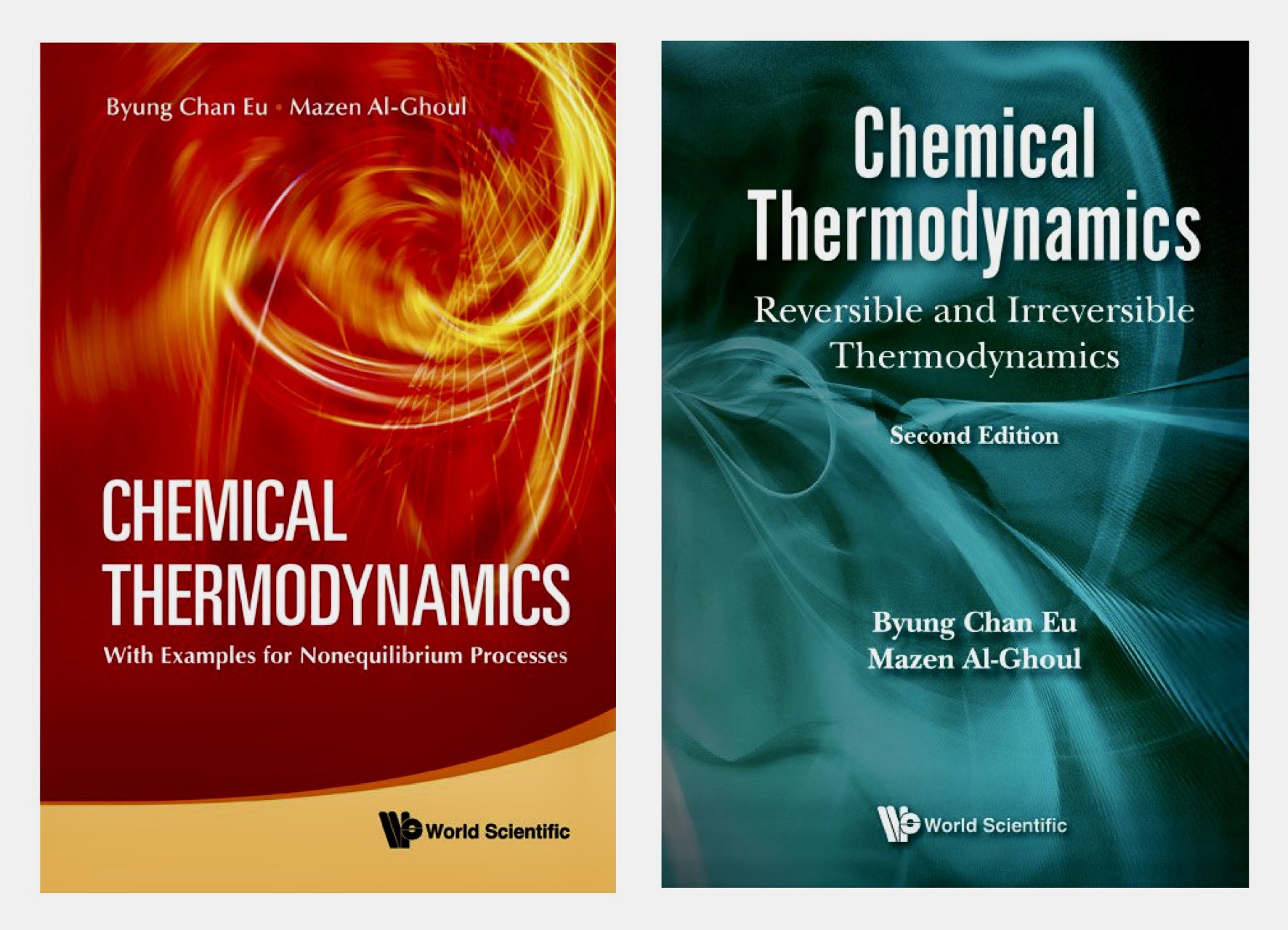
Chemical Thermodynamics: Reversible and Irreversible Thermodynamics
Byung Chan Eu and Mazen Al-Ghoul · Second Edition
The second edition of Chemical Thermodynamics gives readers a unified treatment of equilibrium thermodynamics, nonequilibrium thermodynamics, and generalized hydrodynamics in one volume. It is written for advanced undergraduate and graduate students who need the first and second laws developed beyond the traditional equilibrium-only presentation.
The book connects thermodynamic principles to linear and nonlinear hydrodynamic processes, including chemical oscillations, pattern formation, shock waves, sound propagation, and Liesegang patterns. It first develops classical equilibrium thermodynamics, then extends entropy concepts to irreversible processes using calortropy, or heat evolution, so that macroscopic process theory remains consistent with thermodynamic laws.
Coverage includes:
- Temperature, work, heat, and the first, second, and third laws.
- Equilibrium conditions, thermodynamic stability, mixtures, open systems, heterogeneous equilibria, real fluids, and real gas mixtures.
- Chemical equilibria, solutions, surfaces, electrolyte solutions, Debye-Huckel theory, galvanic cells, and fields.
- Nonequilibrium thermodynamics, generalized hydrodynamics, chemical oscillations, wave phenomena, and Liesegang pattern formation.
Publisher: World Scientific Publishing Company
Publication year: 2018
Pages: 652
DOI: 10.1142/10599
Print ISBN: 978-981-322-605-0
eBook ISBN: 978-981-322-607-4
Table of Contents
From equilibrium thermodynamics to nonlinear irreversible processes
The second edition is organized around a reversible/equilibrium foundation, followed by irreversible thermodynamics and appendices for supporting coefficients and conservation laws.
Opening
Foundations
- Introduction
Part I
Thermodynamics of Reversible Processes — Equilibrium Thermodynamics
- Temperature, Work, and Heat
- The First Law of Thermodynamics
- The Second Law of Thermodynamics
- Equilibrium Conditions and Thermodynamic Stability
- The Third Law of Thermodynamics
- Thermodynamics of Mixtures and Open Systems
- Heterogeneous Equilibria
- Thermodynamics of Real Fluids
- Canonical Equation of State
- Thermodynamics of Real Gas Mixtures
- Chemical Equilibria
- Thermodynamics of Solutions
- Thermodynamics of Surfaces
- Electrolyte Solutions
- Debye-Huckel Theory of Strong Electrolyte Solutions
- Galvanic Cells and Other Classes of Cells
- Thermodynamics of Electric and Magnetic Fields
Part II
Thermodynamics of Irreversible Processes — Irreversible Thermodynamics
- Thermodynamics of Nonequilibrium Processes
- Linear Irreversible Thermodynamics
- Nonlinear Irreversible Processes
- Oscillatory Structures in Nonlinear Systems
Appendices
Reference Material
- The Second Virial Coefficient of Lennard-Jones Fluids
- Various Coefficients Used in Chapter 10
- Local Form of Energy Conservation Law
مقالاتي
مقالات منشورة على 180Post تتناول قضايا الطاقة، البيئة، التكنولوجيا، الجغرافيا السياسية، والاقتصاد السياسي.
المُخا: رحلة الإكسير الذي هبط من جبال اليمن ليعيد صياغة العالم
يتتبع المقال الرحلة التاريخية للقهوة من أصول البن العربي في المرتفعات الإثيوبية إلى اليمن، حيث تشكّلت ثقافة الشراب وانتشر عبر ميناء المُخا إلى العالم. كما يشرح كيف تحوّل اسم المدينة إلى «Mocha»، وكيف أسهمت التجارة والمقاهي وانتقال زراعة البن إلى آسيا والأميركيتين في إعادة تشكيل الاقتصاد والثقافة، مع إضاءة على قيمة البن اليمني اليوم في عالم القهوة المختصة وتحدياته المستقبلية.
غبار الموت المؤجل.. من ركام نيويورك إلى ضاحية بيروت
يقارن المقال بين الإرث الصحي المتأخر لغبار انهيار مركز التجارة العالمي والمخاطر المحتملة التي خلّفها القصف والركام في الضاحية الجنوبية ولبنان، من الجسيمات الدقيقة والسيليكا والأسبستوس إلى ملوثات الاحتراق. ويدعو إلى برنامج وطني لتوثيق التعرض والمتابعة الصحية والبيئية منذ الآن، كي لا يتحول ضحايا المستقبل إلى أرقام بلا سجل أو دليل.
«قداسة الجثامين» ومراتبها إسرائيلياً.. من اليمن إلى غزة ولبنان
يعود المقال إلى قضية أطفال اليمن والمهاجرين المزراحيين الذين أُبلغت عائلات كثيرة بوفاتهم من دون تسليم جثامين أو تحديد قبور، ويتتبع تناقض السجلات الرسمية والوثائق المتعلقة بالتجارب الطبية والتبنّي. ومن هذه الذاكرة التاريخية ينتقل إلى مساءلة التفاوت في قيمة الجثمان وحق العائلة في معرفة مصير أبنائها، وصولاً إلى غزة ولبنان.
التريليونات المفقودة: اتبعوا المال.. ولكن ابدأوا من البنتاغون
يناقش المقال إخفاق البنتاغون المتكرر في اجتياز التدقيق المالي، وصعوبة توثيق أصول بمليارات وتريليونات الدولارات وسط ميزانيات دفاعية متضخمة وثغرات محاسبية مزمنة. ويضع ذلك في مفارقة مع تشدد واشنطن عالمياً في تتبع الأموال ومكافحة غسلها، طارحاً سؤالاً مباشراً عن المساءلة داخل أكبر مؤسسة عسكرية في العالم.
الجحيم على الأرض: مأساة «الهيباكوشا» وإرث العصر النووي
يركّز المقال على التجربة الإنسانية للناجين من هيروشيما وناغاساكي، ويشرح آثار موجة الضغط والحرارة والإشعاع المؤيّن في الجسم، ثم يتتبع الإرث الطبي والنفسي والاجتماعي الطويل الذي حمله «الهيباكوشا» بعد القصف الذري.
الشطرنج الجيوسياسيّ: هاري ترومان، ستالين، وسباق النفوذ في آسيا
يتناول المقال التنافس الأميركي–السوفيتي في الأسابيع الأخيرة من الحرب العالمية الثانية، من مؤتمر بوتسدام ونجاح اختبار «ترينيتي» إلى دخول الاتحاد السوفيتي الحرب ضد اليابان، ويسأل كيف تحولت القنبلة الذرية من سلاح عسكري إلى ورقة قوة دبلوماسية في تشكّل النظام الآسيوي والحرب الباردة.
فجر العصر النوويّ: سيرةُ هيروشيما وناغاساكي.. والعلوم الشيطانيّة لمشروع مانهاتن
يستعيد المقال سيرة هيروشيما وناغاساكي قبل الكارثة، ويتتبع المسار العلمي والتقني الذي قاد إلى مشروع مانهاتن واستخدام القنبلة الذرية عام 1945، مع مساءلة اللحظة التي تحولت فيها المعرفة الفيزيائية إلى قدرة تدميرية غير مسبوقة وما أثارته من أسئلة أخلاقية.
تقرير «التعليم تحت الهجوم 2026»: لبنان نموذجاً لاستهداف التعليم في زمن الحرب
يعرض المقال أبرز نتائج تقرير «التعليم تحت الهجوم 2026» مع التركيز على لبنان، فيرصد الهجمات على المدارس والجامعات، والاستخدام العسكري للمنشآت التعليمية، وتعطيل الدراسة، ثم يضعها إلى جانب مستجدات عام 2026 المتعلقة بأضرار المدارس ونزوح الأطفال والضغط على النظام التعليمي.
سماءٌ مستباحة بالمُسيّرات وحربٌ نفسية عن بعد.. تُسمَع ولا تُرى
يتناول المقال الطنين المتواصل للطائرات المُسيّرة بوصفه أداة مراقبة وضغط نفسي تُبقي المدنيين في حالة خوف واستنفار، ويناقش أثره الصحي والاجتماعي، وخرق المادة 33 من اتفاقية جنيف الرابعة، ومسؤولية السلطة اللبنانية عن توثيق الانتهاكات وصون حق الضحايا في الملاحقة أمام الهيئات والمحاكم الدولية.
ثَمَن المِلْح: كيف ابتلع الجَشَع الاقتصادي والفساد مياه البحر الميّت؟
يرصد المقال تاريخ استغلال ثروات البحر الميّت وكيمياء استخراج أملاحه، ويكشف كيف أدّت الخصخصة والاحتكارات والفساد والتواطؤ التنظيمي إلى استنزاف مياهه، وتفاقم الحفر الخسفية والتلوث، فيما تجني الشركات الأرباح وتتحمل الطبيعة والمجتمعات المحلية الكلفة.
الوجه المظلم للمونديال.. من لعبة الفقراء إلى آلة استغلال طبقي
يستعرض هذا المقال الجانب المظلم من تاريخ بطولة كأس العالم سياسياً واقتصادياً، مبيناً كيف تحولت من "لعبة الفقراء" إلى أداة بيد الأنظمة الديكتاتورية لغسل سمعتها، وإلى مشروع رأسمالي نيوليبرالي يكرس الاستغلال الطبقي والمصالح التجارية على حساب الجماهير.
الغليفوسات.. من مبيدٍ في مختبر إلى سلاحٍ فتّاك في تربة جنوب لبنان
يسلّط هذا المقال الضوء على مادة "الغليفوسات" الكيميائية، وكيف تحوّلت من مجرد مبيد مخبري وزراعي إلى سلاح فتّاك يتغلغل في تربة جنوب لبنان ويقضي على نظامها البيئي ومياهها الجوفية.
الموز والـCIA: كيف أسقطت واشنطن ديموقراطية غواتيمالا لأجل شركة فاكهة
قراءة تاريخية في انقلاب غواتيمالا عام 1954، وتشابك مصالح شركة الفواكه المتحدة مع وكالة الاستخبارات المركزية الأميركية في إسقاط حكومة جاكوبو أربينز.
السّحابة الثقيلة تأكل الأرض: من يتحمل كلفة الذكاء الاصطناعي؟
قراءة في البنية المادية الخفية للذكاء الاصطناعي: مراكز البيانات، الطاقة، المياه، الرقائق، وسؤال من يتحمل الكلفة البيئية والاجتماعية.
الجذور الإيرانية للفستق.. وكيف تحتكر أميركا "الذهب الأخضر" لمصلحة إسرائيل؟
يتناول المقال التحول التاريخي في سوق الفستق من التفوق الإيراني والشرق أوسطي إلى هيمنة كاليفورنيا وتقاطعاتها التجارية والسياسية.
كيف تحوّل مفاعل بوشهر من حلم سيادي إلى أداة روسية لابتزاز إيران؟
تحليل لعلاقة الاعتماد النووي الإيراني على روسيا، وكلفة الارتباط التقني والسياسي على أمن الطاقة والسيادة.
ديمونا.. قصة القنبلة التي وُلدت في الظل
عودة تاريخية إلى نشأة المشروع النووي الإسرائيلي في ديمونا، وعلاقاته السرية وتوتراته مع الحلفاء الغربيين.
مضيق هرمز.. نقطة الصفر لانهيار المناخ العالمي
يربط المقال بين التصعيد العسكري في منطقة هرمز وبين الأضرار البيئية والمناخية الممتدة وراء الخسائر المباشرة.
تداعيات هُرمز: أزمة مزدوجة في سلاسل الإمداد العالمية للهيليوم واليوريا
دراسة لتداعيات إغلاق هرمز على سلاسل الإمداد، ولا سيما الهيليوم واليوريا، بعيداً عن التحليل التقليدي لأسواق النفط فقط.
فنزويلا والنفط الثقيل: عقدة المصافي الأميركية
قراءة في موقع فنزويلا بين النفط الثقيل، المصافي الأميركية، المعادن النادرة، وحسابات الأمن القومي في أميركا اللاتينية.
حُمّى الذّهب وهندسة الإبادة في المشروع الاستيطاني الأميركي
قراءة تاريخية في منطق الاستعمار الاستيطاني الأميركي، من حُمّى الذهب ونزع الأرض إلى هندسة الإبادة، وربط ذلك بالبنى المتكررة للاستعمار في فلسطين.
ما وراءَ لمعان التّريليونات: الأسواق الماليّة، الإقطاعيّة التّكنولوجيّة، وتعميق الهوّة العالميّة
تحليل للعلاقة بين تضخم القيم السوقية لشركات التكنولوجيا، تركّز الثروة، رأس مال السحاب، وصعود أشكال جديدة من الريع والإقطاعية التكنولوجية.